

Kuala Lumpur Lumpur Travel - Joie De Vivre

Whooping it up across cultures

Kuala Lumpur loves to whoop it up. Its citizens-Malay, Chinese and Indian-may follow the precepts of Islam, Hinduism, Buddhism or Christianity, but that’s of little consequence. A celebration is a celebration, and everyone joins in the revels.

During an earlier visit, I’d been dazzled by the “Colours of Malaysia” parade. This time around, the lavish Hari Raya festival (which marks the end of the month long Ramadan fast) has drawn to a close, and the shopping malls are now adorned with gigantic tinsel-and-bauble draped Christmas trees and glittering window displays. Close on the heels of the Yuletide season is the Chinese New Year and no doubt, that will be as splashy as all the preceding holiday celebrations.

Thaipoosam, Hindu festival, Kuala Lumpur Also on the horizon is Thaipoosam, a Hindu festival dedicated to Lord Subramaniam (popularly called Lord Maruga) the spiritual son of the deity Shiva and his consort Parvati. Each year, over 800,000 pilgrims flock to the Batu Temple Cave, many of them carrying palanquins (known as ‘kavadi’) decked with flowers, peacock feathers and brass bells, or brass vessels filled with milk as offerings to the deity.

As a measure of penance, kavadi bearers insert spears through their tongues or cheeks and skewer their flesh with steel hooks. They then dance in a trance-like state in procession to the sound of drums and ritual chanting all the way to the cave shrine. Doesn’t sound much like fun to me, but spiritual fervor is highly personal and Thaipoosam is a celebration of intense devotion to a supreme being.

Bamphen, my tour guide, says, “Even though Thaipoosam isn’t on right now, you can’t leave Kuala Lumpur without visiting the Batu Temple Caves. They are spectacular!”

What he doesn’t mention is that the climb to the entrance of the caves is equally spectacular. My idea of vigorous exercise is walking up an ascending escalator and I quail at the sight of a 272-step stairway crawling centipede-like up the face of the cliff. My first reaction is to turn around and leave but curiosity takes over. I take a deep breath and start the ascent. “Do it slowly,” Bamphen says smiling. “There’s no rush.”

I pause after the first thirty steps to catch my breath and look around. The air, a warm, moist sponge, smells of dust, spices and marigold flowers. A long-tailed macaque perches on a railing hoping for a handout while a steady stream of people file past him: old women with walnut wrinkled faces, chocolate-complexioned little girls wearing butterfly ribbons in their hair, holy men, their foreheads smeared with ash and red powder, and the occasional camera-toting foreigner in shorts and flip-flops.

The cavern, cool and moist, is filled with the acridity of bat guano and the odor of damp vegetation. I am surrounded by cascading limestone stalactites intertwined with garlands of tropical creepers. Long dripping fingers of rock glitter in the shaft of sunlight pouring through the roof of the cave, and stalagmites, some slender, others stumpy, loom like ghosts in the shadows.

Bamphen explains the significance of the mythological gods and goddesses adorning small shrines which flank the walls of the main cave, and in the flood-lit temple dedicated to Lord Subramaniam, I pause to watch a shaven priest as he circles a flame-lit lamp in front of the deity. His deep chant resonates throughout the cavern. This is not just any cave; it is as mystical as Stonehenge, as sacred as the Wailing Wall, as sacrosanct as Notre Dame Cathedral.

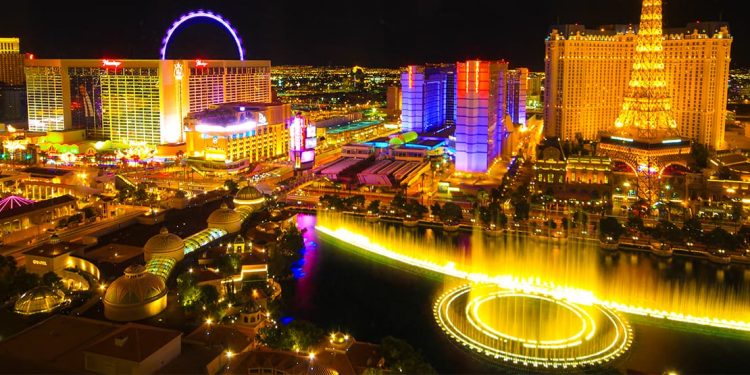
But I am drawn back to earthier surroundings in Kuala Lumpur. The city doesn’t only have parties during festivals, but every night of the year. The sidewalks throb to the rhythm of its night clubs and the streets literally catch fire after dark. Government buildings and the roads which web through and around Merdeka Square blaze with thousands of bulbs which whirl, twinkle, curl like ringlets around street lamps and spill down the front of buildings.

The traffic flows beneath shimmering scarves of lights or past scalloped diamond necklaces strung alongside the sidewalks. The Petronas Twin Towers are jeweled pencils pointing towards a cobalt sky, and at the City Centre, fountains perform arabesques in showers of green, rose, blue and orange.

The liveliest night scene, however, is along Petaling Street in Chinatown. After dark, a warren of vendors stalls take over a section of the street, and I squeeze my way between bargain hunters jamming the narrow passageways. The stalls are crammed with brand-name copies of watches, leather goods, T-shirts and electronic gadgets.

“Come, missy, what you want? I have Versace sunglasses. I give you best price,” coos a bearded vendor. “See biggest selection of DVDs in Kuala Lumpur,” whispers another. Beyond the maze of stalls, Malaysian housewives in baju kurongs (ankle length gowns) and headscarves collect around fruit sellers, filling their shopping bags with rambutans, durian, papaya, mango and pineapples.

I turn off Petaling and emerge onto a street blasting with rock music and thick with the sizzle of frying noodles, fish and chicken. Sidewalk cooks preside over flaming braziers kneading rotis, stirring soup pots, shredding, peeling, chopping, slicing and tossing slivers of beef and vegetables into woks. Under the garish flick of neon billboards, families sit at outdoor tables, chopsticks in hand, deftly working their way through steaming platters of mussels, prawns and rice balls. The atmosphere is noisy and exuberant.

Everyone is having a good time. After all, this is Kuala Lumpur and the party is on.

If You Go: Malaysian Festival & Events Calendar, 2003:Visit www.tourism-malaysia.ca to browse through their showcase of events and festivals in 2003. Phone: (604) 689-8899 (Toll Free: 1-800-689-6872); Fax: (604) 689-8804

Getting There: Malaysian Airlines (1-800-552-9264) operates daily flights out of Los Angeles. For more information visit their web site at: www.malaysiaairlines.com.my/

Alternative choices are Cathay Pacific and Singapore Airlines which fly out of Vancouver.

Where to Stay:

Top of the Line: The Mandarin Oriental www.mandarin-oriental.com

And The Legend Hotel www.asiatravel.com/malaysia/legend/

Luxury at Affordable Rates: The Sheraton Imperial, Jalan Sultan Ismail, 50250 Kuala Lumpur, Malaysia www.kl-hotels.com/imperial-sheraton/index.htm

Ph: (603) 2717-9900; Fax: (603) 2717-9999.

The Batu Caves: The caves are located approximately 13 km out of Kuala Lumpur. According to Selangor Tourism, public transport is available by taking the Intrakota bus No. 11D at the Bankok Bank (Behind Central Market, Kuala Lumpur), but no information is available as to schedules or frequency. Selangor Tourism at www.selangor.gov.my furnishes an e-mail contact, and if you require a guided tour, they will be able to assist you with information. Or inquire at your hotel Tourism Information Desk.

Also at the Batu Caves site is the “Dark Cave” which is not always open, so ask about hours of operation and book in advance. The adventure tour involves a crawl through a muddy narrow aperture at the end of the cave and climbing up a rock face to get out. Not for the squeamish (bats by the thousands, non-poisonous cave racer snakes, cockroaches, crickets, spiders, beetles, centipedes and other assorted critters) but infinitely rewarding as an experience within an environment of astounding stalagmites and stalactites which date back to the cave’s formation over 100 million years ago.

There are two tours available: 1. The educational tour (which I took) runs daily and takes about two hours. 2. The adventure tour (as outlined just above) should be booked in advance. No special equipment is required. Wear old clothes, sturdy shoes, and carry a flashlight with spare batteries. You’ll need a change of clothes at the end of the trip.

Chinatown is easily accessible by public transport - it is linked from KL Central Station by city rail and bus.

To trawl the city by night, obtain a bus schedule at the Tourist Information Centre: Phone: (03) 4041-1295, or inquire at the tourist information desk at your hotel.

Author: Margaret Deefholts

Write A Comment
Add your comments:
Please confirm
your humanity:
Enter the code (case sensitive)
Read Comments
Return to Top
Africa Antarctica Asia Caribbean Central America Europe North America Oceania South America